Spitfire N3200 at Headcorn International Airshow 2026 | Genuine Battle of France Spitfire
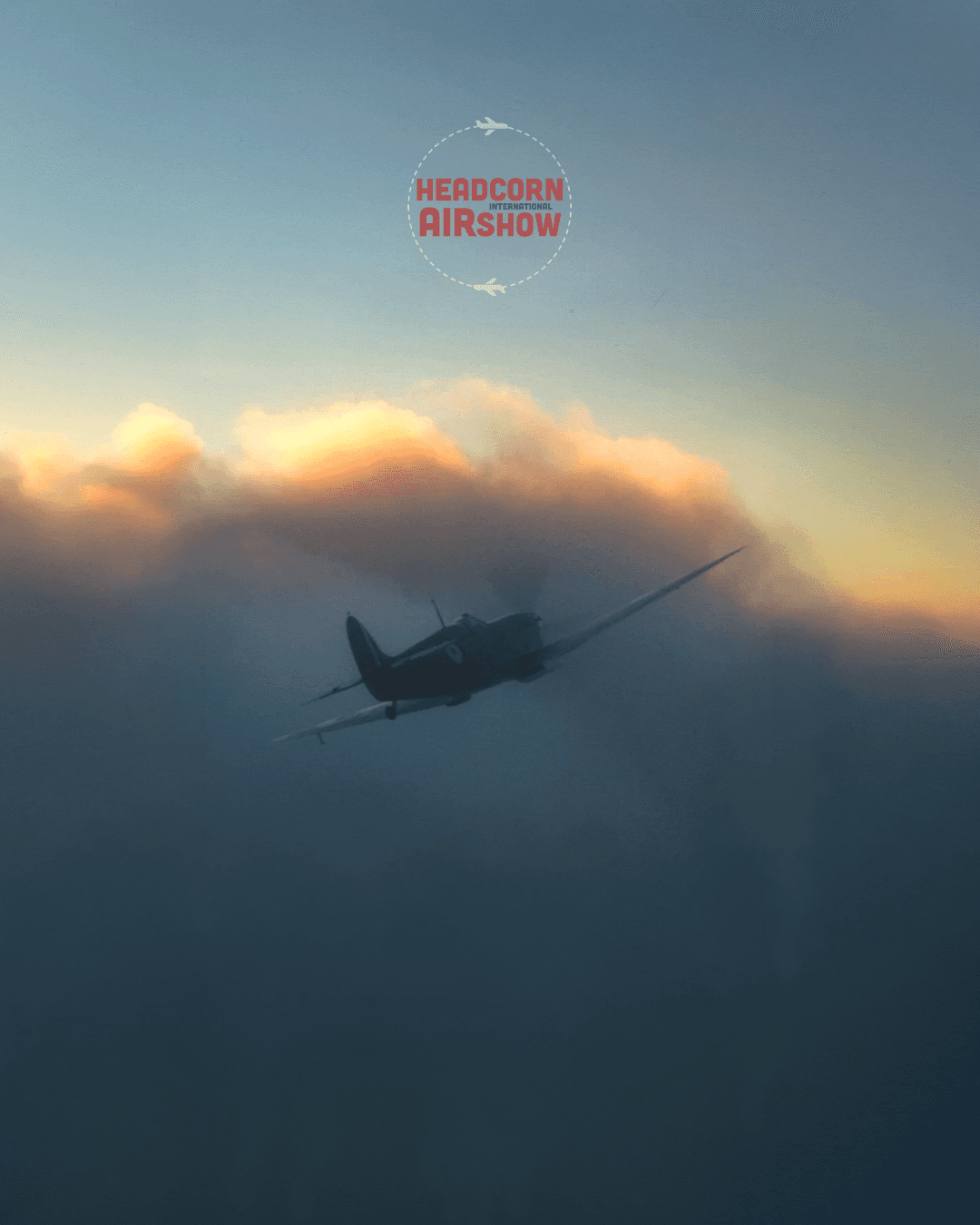
HIA DEEP DIVE: SPITFIRE N3200 - THE SPITFIRE THAT ROSE OUT OF THE SAND
Headcorn International Airshow 2026 · 27–28 June · Headcorn Aerodrome, Kent
She flew one mission. She was lost for forty-six years. In the last week of June, she flies into Kent.
Supermarine Spitfire Mk Ia N3200 is one of the rarest sightings in the sky - a she is an authentic combat veteran of 1940. Not a restoration in period markings. Not a representative airframe. The actual aircraft. She fought. She fell. She was buried in sand. She rose to fly again.
BUILT FOR A WAR ALREADY STARTING
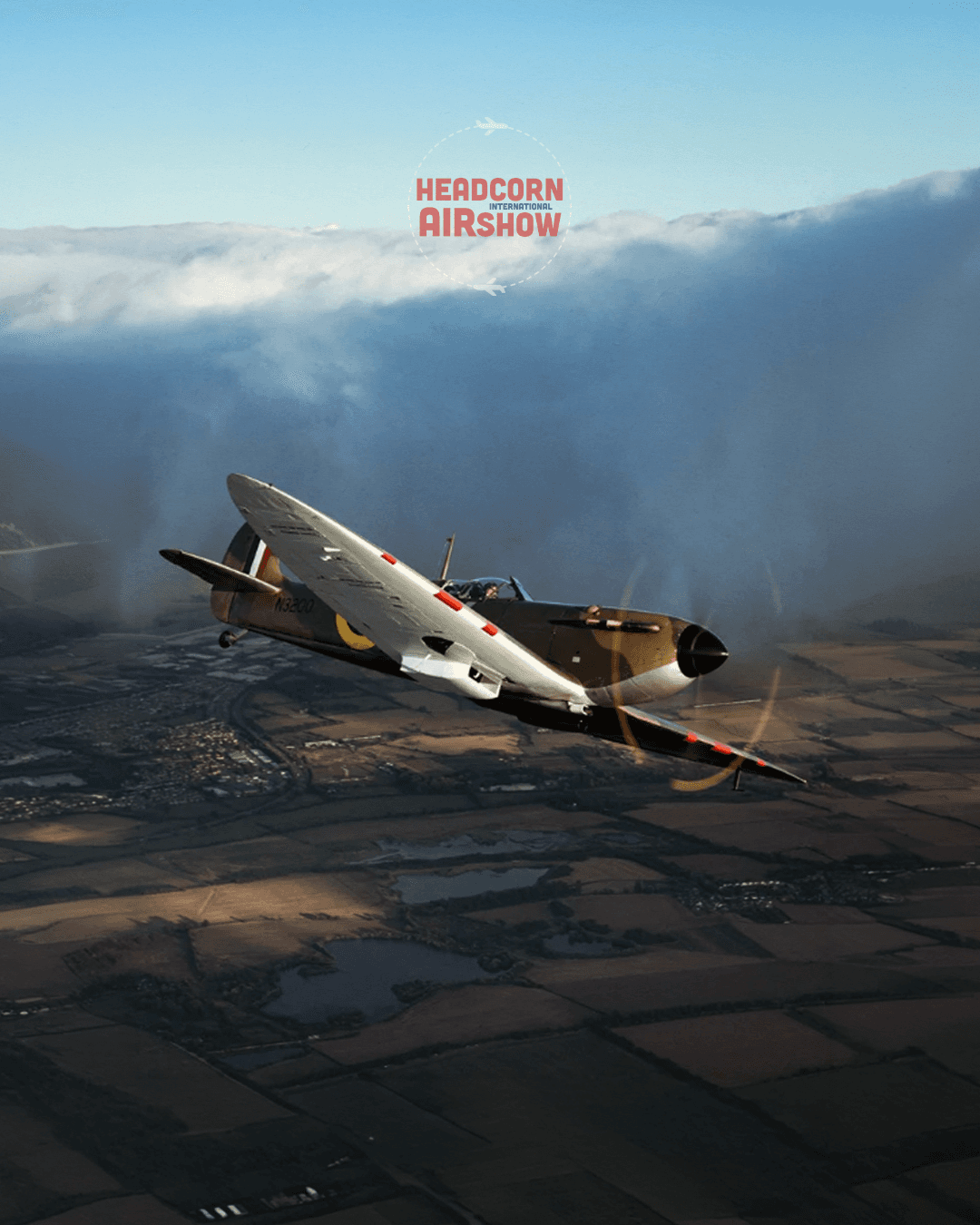
N3200 made her maiden flight from Eastleigh on 29 November 1939 - the same airfield R.J. Mitchell's prototype had taken off from in March 1936. After acceptance checks with 8 Maintenance Unit at RAF Little Rissington, she was posted on 19 April 1940 to her first and only squadron - No. 19 at RAF Duxford. The code QV was painted onto her fuselage.
19 Squadron was the squadron. The first in the RAF to receive the Spitfire, in August 1938. Before that they flew Gloster Gauntlets - open-cockpit biplanes. The Spitfire was a different machine entirely.
She is a true Mk Ia. Eight Browning .303s. Rolls-Royce Merlin III. Hand-pumped undercarriage. Flat-sided canopy. Two-blade fixed-pitch propeller in her earliest configuration. Special Dunlop tyres. Hundreds of small details that differ even from a Mk V. A time capsule of how the first Spitfires actually handled - before the modifications the Battle of Britain would force on the design weeks later.
26 MAY 1940 - FIRST AND ONLY
Operation Dynamo opened that day. The British Expeditionary Force was trapped at Dunkirk. The Royal Navy began the evacuation. Every available RAF fighter went up to cover the beaches.
At Duxford, Squadron Leader Geoffrey Dalton Stephenson - thirty years old, pre-war RAF aerobatic team and the former personal pilot to King George VI - climbed into N3200 and led 19 Squadron off the grass.
It was the first time N3200 had flown in combat. It would also be the last.
Over Northern France the squadron met with the Luftwaffe. Stephenson shot down a Junkers Ju 87 Stuka. Moments later N3200 took hits. The radiator was peppered. Stephenson put her down on the beach at Sangatte, near Calais. He was captured before he could destroy the aircraft. He would spend the rest of the war as a prisoner - through multiple escape attempts, eventually held at Colditz.
He survived the war but sadly Stephenson was killed on 8 November 1954, test-flying a North American F-100 Super Sabre at Eglin Air Force Base, Florida. He never saw his Spitfire fly again.
FORTY-SIX YEARS UNDER THE SAND
N3200 stayed on that beach. Largely intact. German soldiers posed for photographs beside her. Souvenirs were taken. The tide came in. The tide went out. The sands of time seemingly closing in on her.
But in 1986 the currents shifted and she surfaced.
The wreck was excavated and put on display at a local museum. In 2000 she was acquired by Mark One Partners - Dr Thomas Kaplan and Simon Marsh - and placed into storage. She arrived at Duxford in 2007. Restoration began in 2012.
The brief was uncompromising: she had to look exactly as she did on her final flight. Drawings only told half the story - Spitfires in May 1940 were being modified almost daily as lessons came back from France. The Aircraft Restoration Company team rebuilt her with every Mk I detail correct, salvaging original airframe parts wherever forty-six years of salt and sand had spared them. Airframe Assemblies on the Isle of Wight (the same firm behind Spitfire TA805 'Spirit of Kent' also displaying at Headcorn International Airshow) did much of the structural work. RetroTrack & Air rebuilt the Merlin.
In early 2014 - seventy-four years after her last flight - John Romain lifted her off the Duxford grass.
In July 2015, on the 75th anniversary of her loss, Dr Kaplan donated her to the nation. HRH The Duke of Cambridge accepted the aircraft on behalf of IWM and signed the inside of the cockpit door. She is now operated by the Aircraft Restoration Company on behalf of IWM, and based at the same airfield, in the same hangar, that she left on the day she was shot down.
Her registration today is G-CFGJ. You will know her by the distinctive whistle of her early Merlin and the black-and-white undersides she wore in May 1940.
WHY HEADCORN. WHY 2026.
She is the only airworthy aircraft in the Imperial War Museum's collection. When she leaves Duxford, it is an event.
Genuine 1940 Spitfires that fly are countable on one hand. N3200 is one of them. She is, by any measure, a national treasure.
Headcorn - RAF Lashenden in 1944 - is one of the few airfields in southern England where you can still watch a Battle of France Spitfire pull up over the same kind of grass she was designed to operate from. No hard runway between you and the aircraft. No fence line a hundred yards out. Front row, every seat.
She will share the line-up with Spitfire Mk IX TA805 'Spirit of Kent', the RAF Battle of Britain Memorial Flight, a Hawker Hurricane Mk I that flew with 253 Squadron in 1940, the Hispano Buchón, three P-51 Mustangs, a P-47 Thunderbolt returning to its wartime home, and the Royal Navy's Swordfish and Seafire.
There may not be a better place in Britain to see her this summer.
AIRSHOW TICKETS